• Home
  • Wildlife
    • Arctic Char
    • Arctic Fox
    • Arctic Hare
    • Arctic Tern
    • Arctic Wolf
    • Bearded Seal
    • Beluga Whale
    • Bowhead Whale
    • Caribou
    • Greenland Shark
    • Harp Seal
    • Hoary Redpoll
    • Ivory Gull
    • King Eider
    • Lemming
    • Musk Ox
    • Narwhal
    • Northern Fulmar
    • Polar Bear
    • Ptarmigan
    • Puffin
    • Red Phalarope
    • Ringed Seal
    • Snowy Owl
    • Svalbard Reindeer
    • Walrus
  • Climate
    • Arctic Climate: A Beginner’s Guide
  • Ecosystems
    • Arctic Ecosystems: A Beginner’s Guide
  • Conservation
  • Flora
    • Alpine Arnica
    • Arctic Moss
    • Arctic Poppy
    • Arctic Willow
    • Bearberry
    • Cloudberry
    • Cotton Grass
    • Crowberry
    • Diapensia
    • Dwarf Birch
    • Heath
    • Labrador Tea
    • Lichens
    • Moss Campion
    • Mountain Avens
    • Pasque Flower
    • Polar Grass
    • Purple Saxifrage
    • Reindeer Lichen
    • Sea Thrift
    • Sedges
    • Tufted Saxifrage
    • Tundra Rose
    • Willow Herb
    • Wintergreen
  • Blog
  • Glossary
  • About
  • Contact
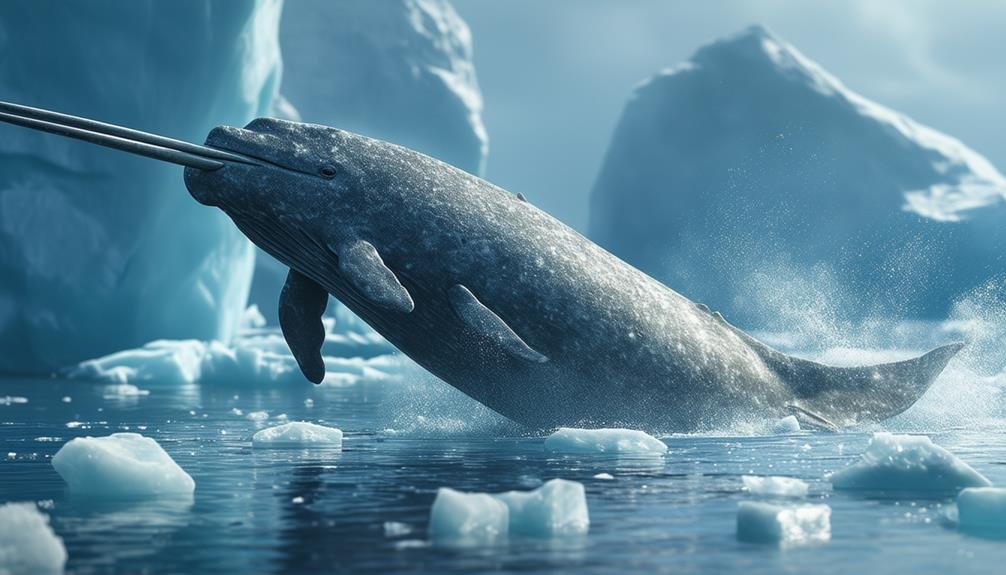
7 Best Narwhal Survival Adaptations in the Arctic

7 Best Narwhal Survival Adaptations in the Arctic

by White Fox | Jul 20, 2024 | Narwhal Habitat and Behavior

Narwhals have developed several adaptations to thrive in the Arctic. They possess a tusk that functions as a sensory organ to detect environmental changes. Their deep-sea diving abilities allow them to reach depths of up to 1,500 meters, aided by high...
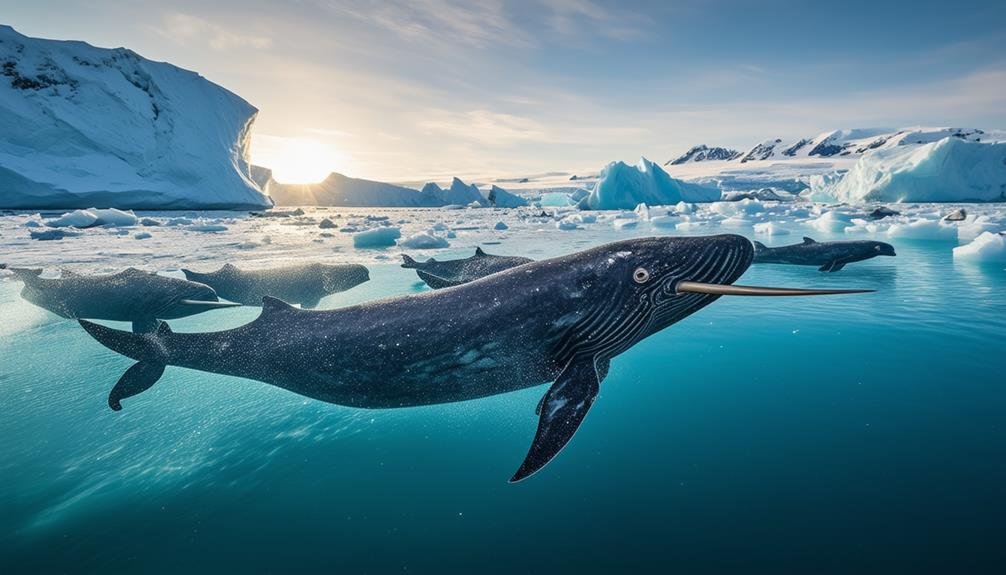
Why Are Conservation Efforts Vital for Narwhals?

Why Are Conservation Efforts Vital for Narwhals?

by White Fox | Jul 19, 2024 | Narwhal Habitat and Behavior

Conservation efforts for narwhals are essential due to their susceptibility to threats such as hunting, climate change, and pollution. Narwhals possess unique attributes, including spiraled tusks and sophisticated sensory organs, making them...
Preserving Narwhal Populations in Changing Arctic Environments

Preserving Narwhal Populations in Changing Arctic Environments

by White Fox | Jul 19, 2024 | Narwhal Habitat and Behavior

Preserving narwhal populations in changing Arctic environments requires addressing climate change impacts, protecting critical habitats, and mitigating the effects of shipping and underwater noise pollution. Collaboration with indigenous communities is...
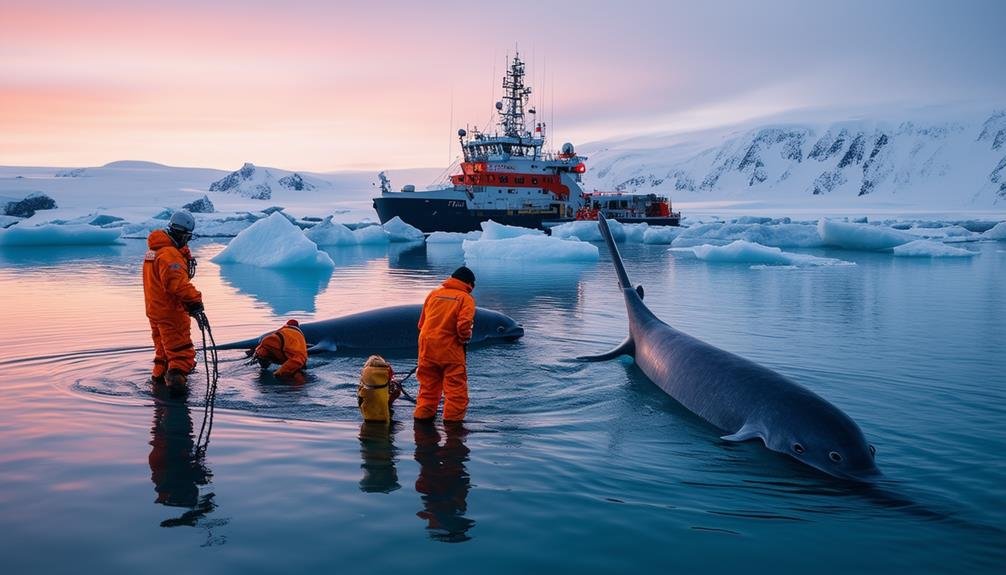
What Is Being Done to Help Narwhals?

What Is Being Done to Help Narwhals?

by White Fox | Jul 19, 2024 | Narwhal Habitat and Behavior

Efforts to help narwhals include stringent legal protections under the Marine Mammal Protection Act in the United States and similar regulations in other regions. Research initiatives utilize satellite tracking to study their movements and habitat. Organizations like...
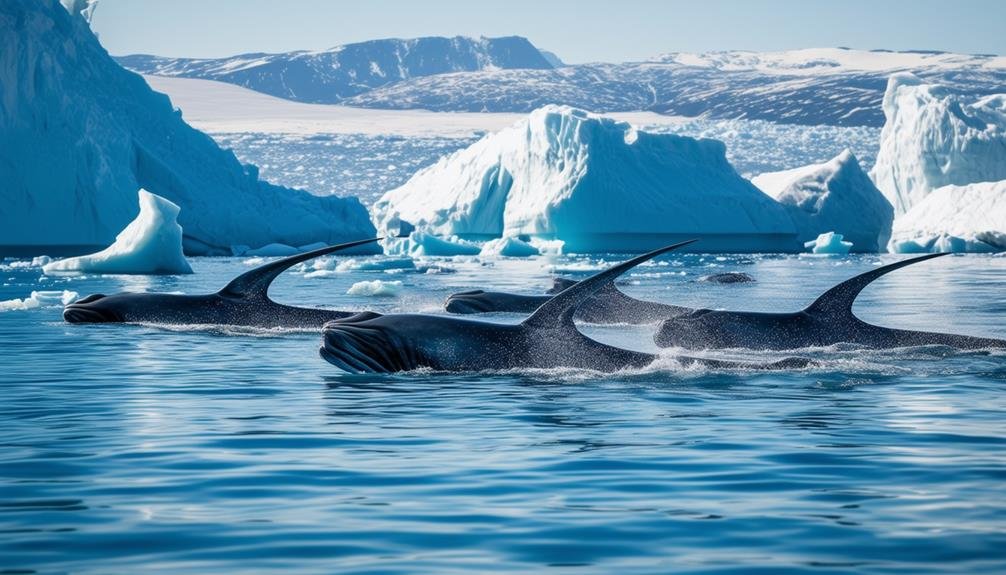
Preserving Narwhal Populations in Their Natural Habitat

Preserving Narwhal Populations in Their Natural Habitat

by White Fox | Jul 19, 2024 | Narwhal Habitat and Behavior

Preserving narwhal populations in their natural habitat is essential to maintaining Arctic marine biodiversity. Narwhals, currently classified as Near Threatened, face significant pressures including hunting for meat and ivory, and habitat disruption due...
« Older Entries
Next Entries »

Recent Posts

  • Humpback Whale Migration Routes in the Arctic
  • Why Are Polar Bears Endangered Today?
  • Snow Fleabane (Erigeron Uniflorus)
  • Polar Eyebright (Euphrasia Frigida)
  • Snow Buttercup (Ranunculus Nivalis)
Divi Crib

Arctic Wildlife Knowledge, the leading authority in Arctic ecosystem exploration and documentation. With an unwavering commitment to excellence, we invite you to embark on a journey through Earth’s most remarkable frozen frontier.

Our passion for the Arctic’s natural wonders knows no bounds, and our dedication to sharing knowledge of this extraordinary region continues to drive our mission of education and discovery.

Shortcuts

  • Home
  • About
  • Glossary
  • Contact Us
  • Disclaimer
  • Privacy
  • Follow
  • Follow
  • Follow
  • Follow
Copyright © 2025 Arctic Wildlife Knowledge

Privacy Policy

Disclaimer