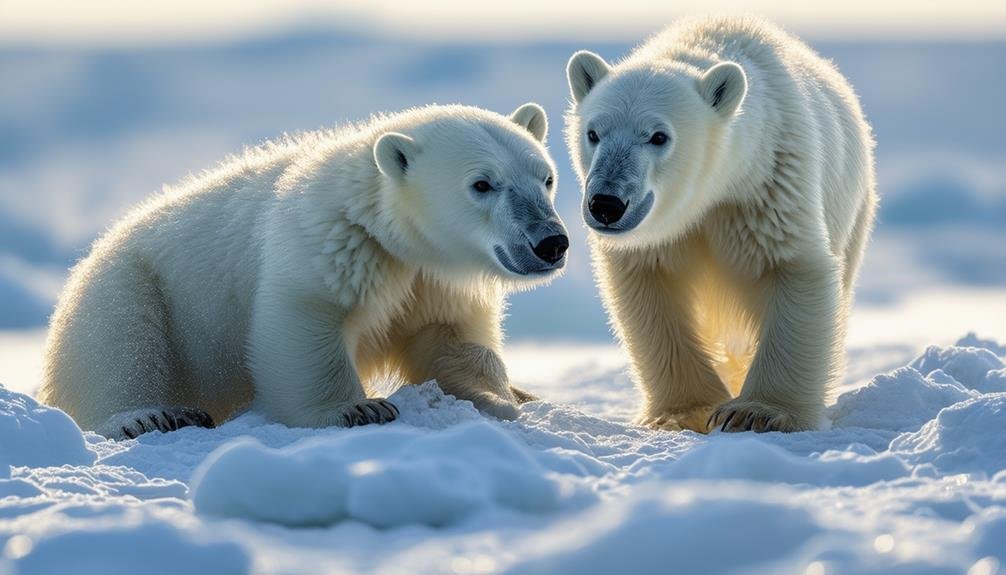
by White Fox | Jul 17, 2024 | Arctic Wildlife Encounters
Polar bear cubs display intriguing behaviors in winter that are essential for their growth and survival. Playful activities like snowball fights and chasing games help develop hunting and fighting skills. Sleep patterns include multiple naps for energy conservation...
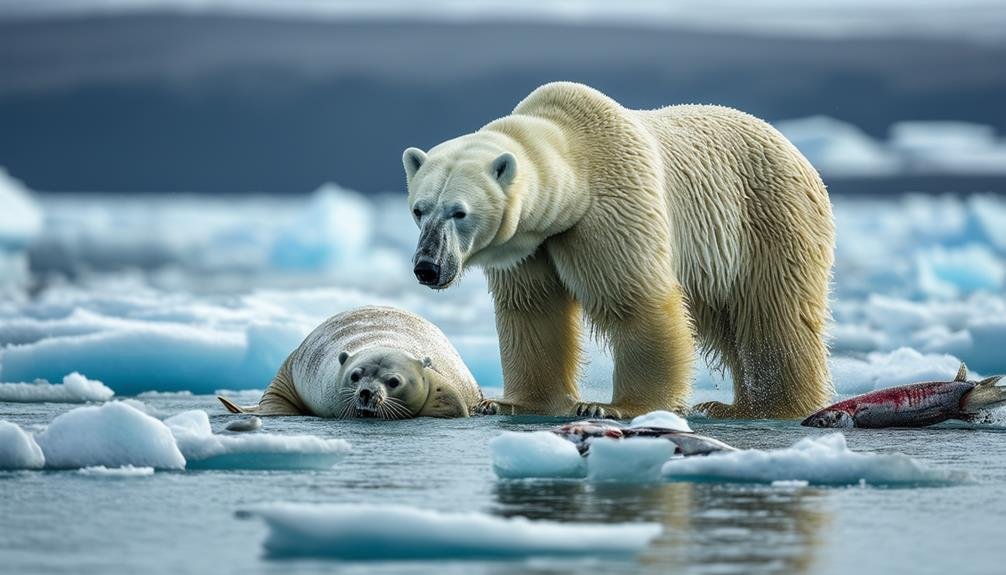
by White Fox | Jul 16, 2024 | Arctic Wildlife Encounters
Wild polar bears primarily sustain themselves on high-fat prey such as ringed and bearded seals, which are essential for their energy needs. They also scavenge whale carcasses, a significant food source, particularly when seals are scarce. Terrestrial...
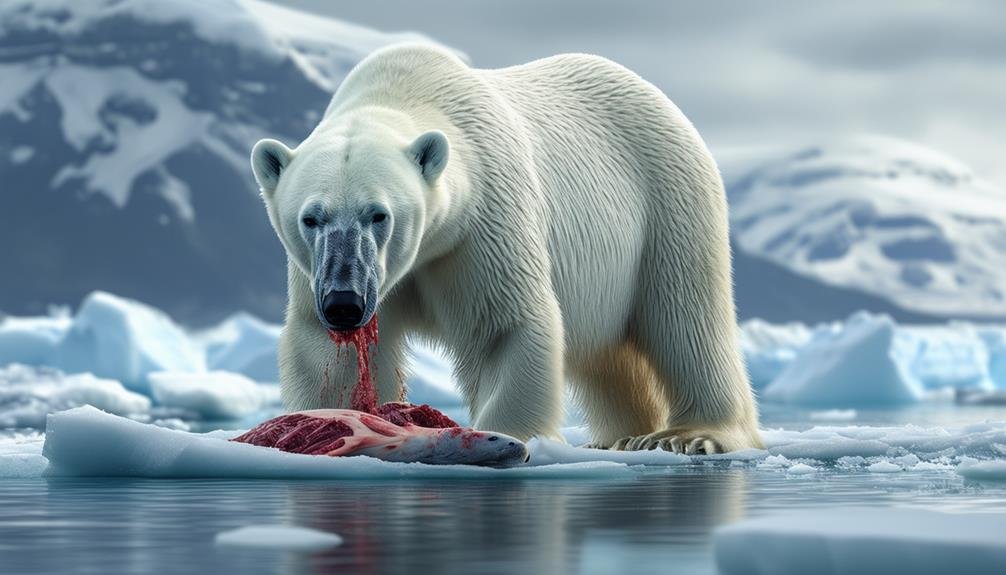
by White Fox | Jul 16, 2024 | Arctic Wildlife Encounters
Polar bears mainly feed on seals, especially ringed seals, which supply the vital fat needed for energy and survival. Their specialized hunting techniques, such as ambushing at breathing holes, showcase remarkable adaptability. Additionally, they...
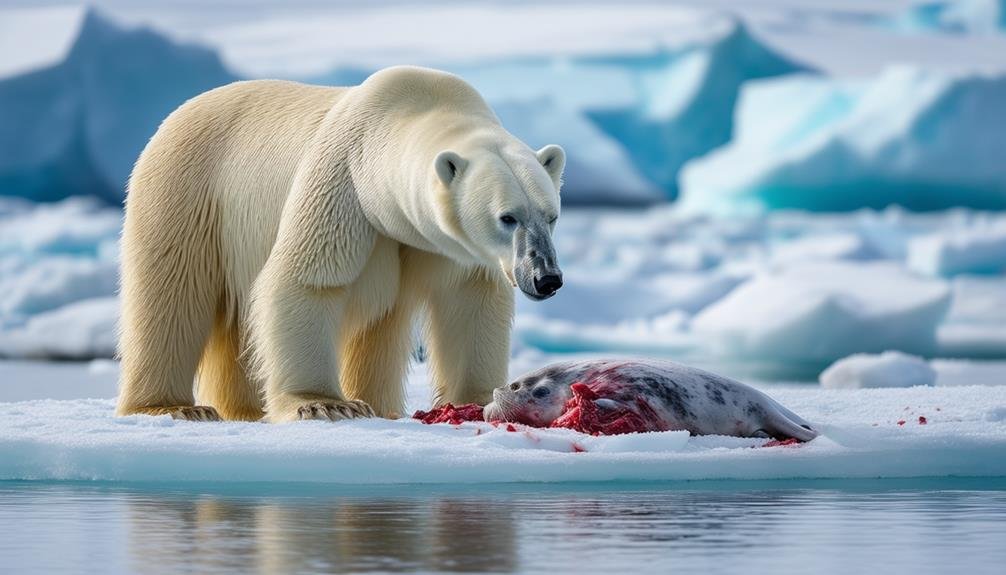
by White Fox | Jul 16, 2024 | Arctic Wildlife Encounters
Wild polar bears primarily rely on ringed and bearded seals for their diet, as the high-fat content in seal blubber is essential for their survival. They hunt by using their keen sense of smell to locate seals' breathing holes in the ice and then ambush their...
by White Fox | Jul 16, 2024 | Arctic Wildlife Encounters
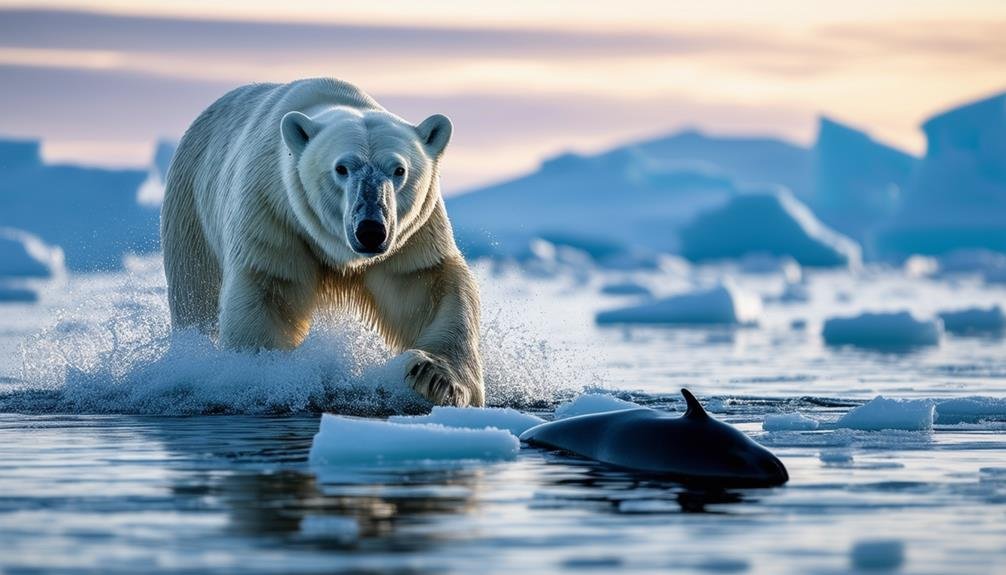
Seals are vital to polar bears' diet primarily due to their high-fat content and abundance, providing the necessary energy and nutritional value needed for survival. Ringed and bearded seals are particularly important, offering rich fat reserves that help...