by White Fox | Jul 17, 2024 | Arctic Foxes Corner
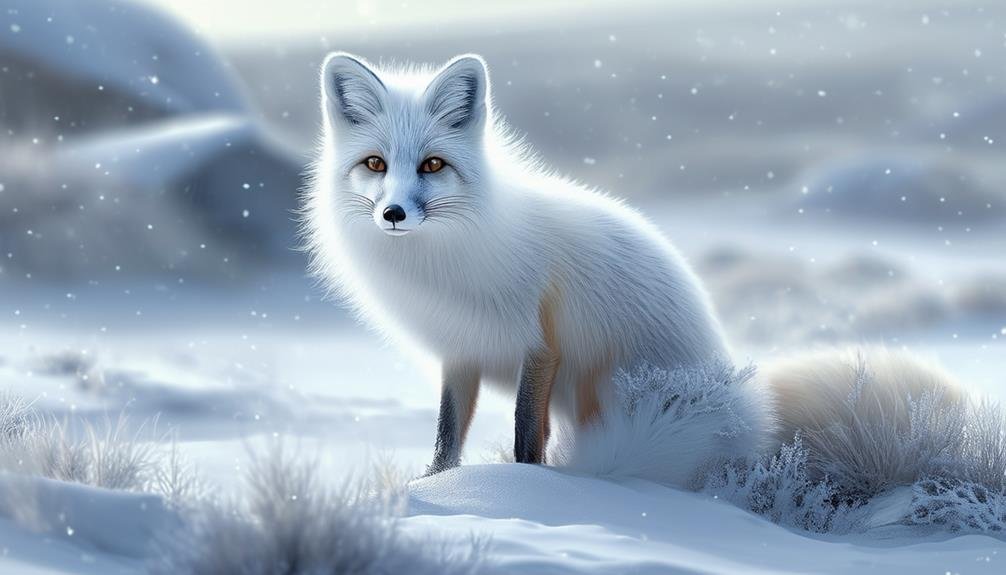
Arctic fox adaptations are crucial for survival in the tundra's extreme conditions. Their compact body, small ears, and thick fur effectively conserve heat, while seasonal fur color changes provide camouflage. Acute senses and agile hunting techniques...
by White Fox | Jul 17, 2024 | Arctic Wildlife Encounters
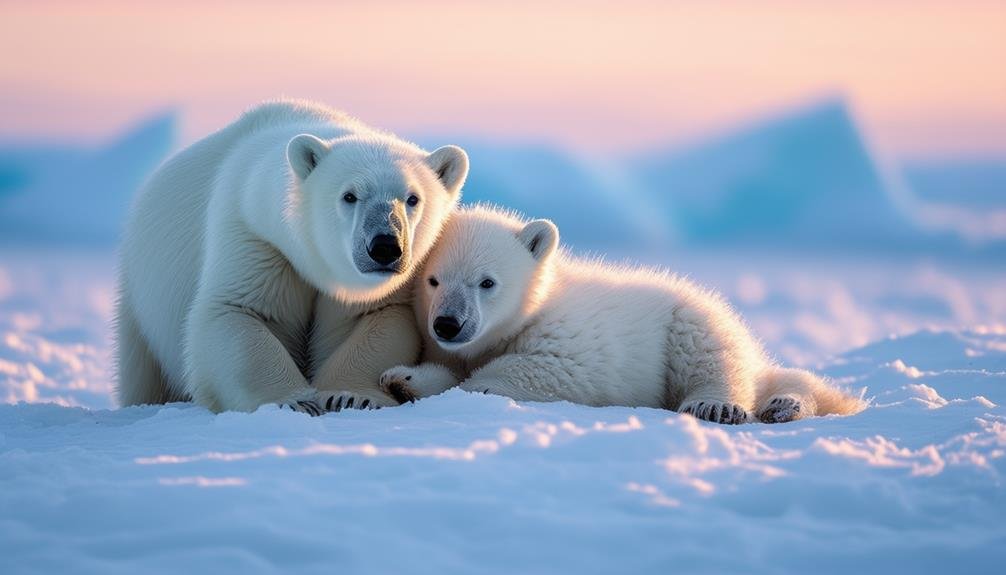
Polar bear cubs do not hibernate during winter; they stay active within the safety of maternal dens. Unlike hibernation, where animals enter a deep sleep, denning involves semi-activity. Pregnant females dig these dens to give birth and nurse their young....
by White Fox | Jul 17, 2024 | Arctic Wildlife Encounters
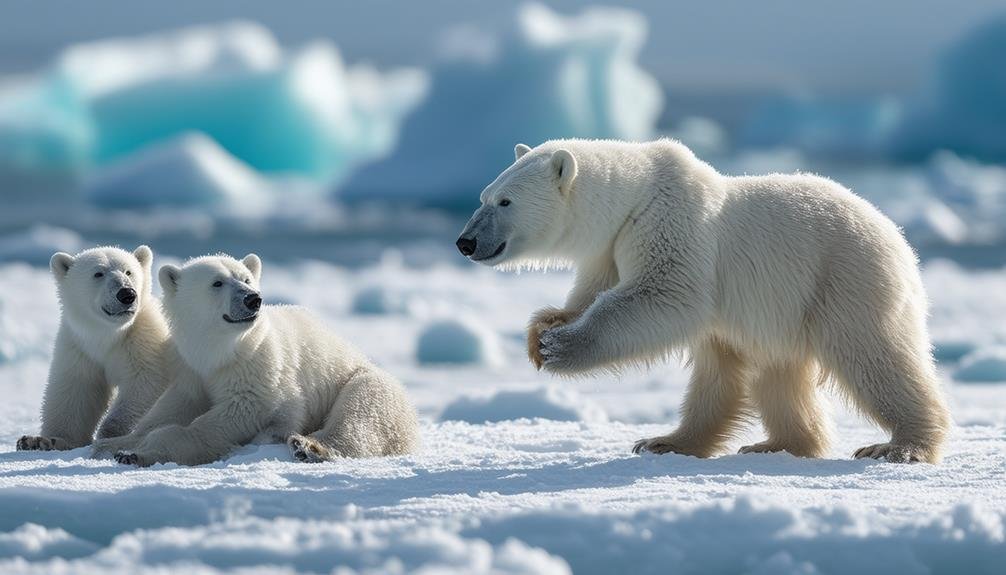
Polar bear cubs engage in various winter antics that are essential for their development. Snow frolicking enhances coordination and strength through activities like snowball fights and rolling in the snow, fostering social bonds. Sliding down icy slopes helps...
by White Fox | Jul 17, 2024 | Arctic Wildlife Encounters
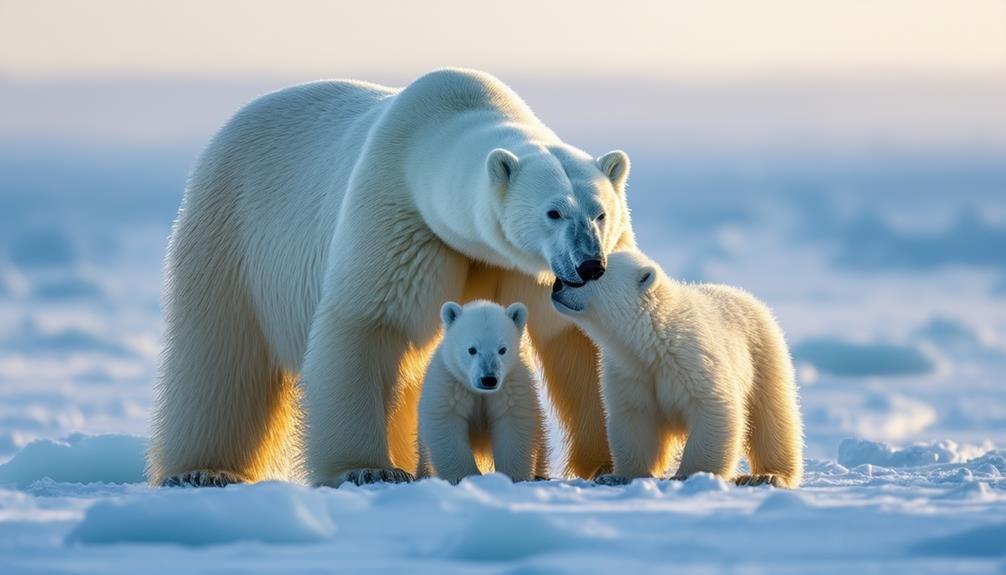
Polar bear cubs, born blind and toothless in sheltering snow dens, are highly dependent on their mothers for survival during the harsh winter. The dens, constructed in snowdrifts, offer protection from severe Arctic conditions and predators....
by White Fox | Jul 17, 2024 | Arctic Wildlife Encounters
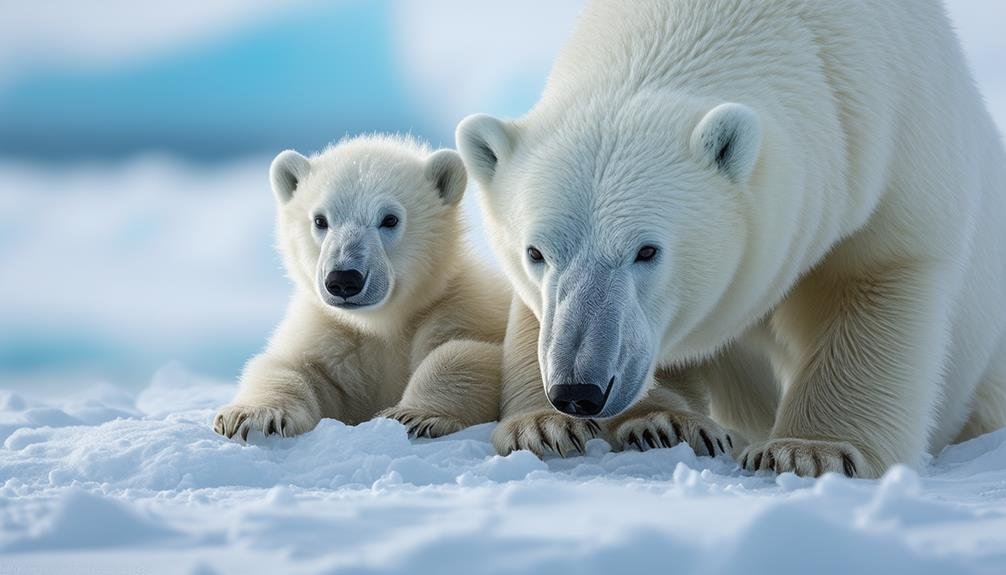
Polar bear cubs endure the Arctic winter through various adaptive behaviors. Born in snow dens, they are provided warmth and protection by their mothers, who rely on stored fat reserves to nourish them. Cub learning includes play-fighting, chasing, and...