by White Fox | Jul 16, 2024 | Arctic Wildlife Encounters
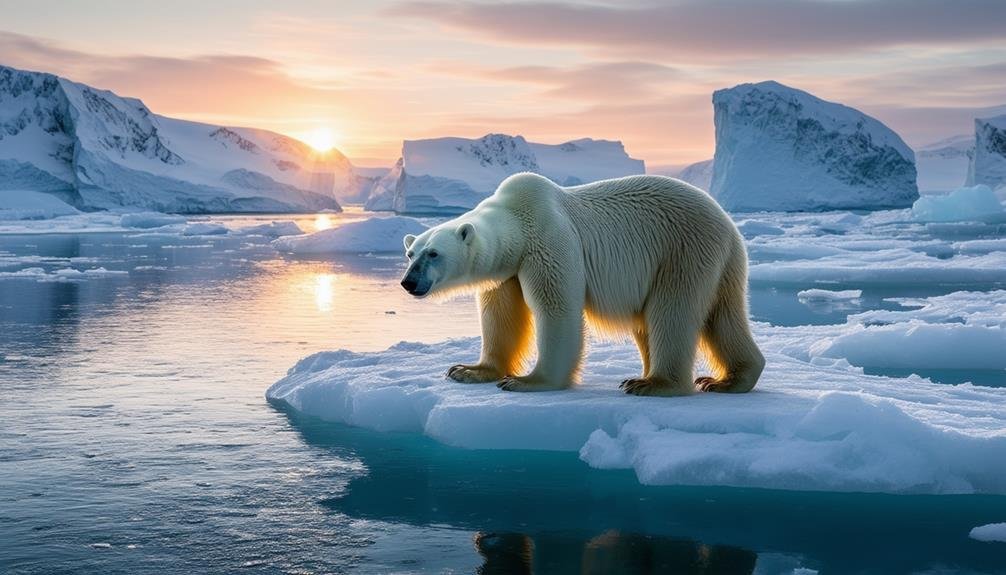
Protecting polar bear habitats is essential for several reasons. Polar bears are apex predators, necessary for maintaining marine ecosystem health and influencing seal populations. They rely on sea ice for hunting and breeding, making them integral to the...
by White Fox | Jul 15, 2024 | Arctic Wildlife Encounters
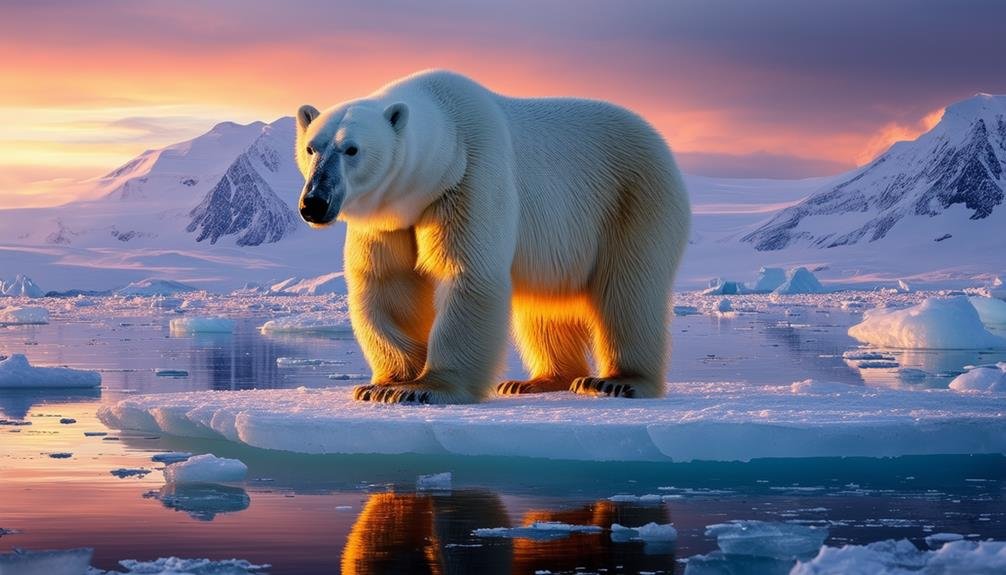
Polar bears are adapting to climate change through various strategies. They have altered their diets to include vegetation and bird eggs, and in Greenland, they hunt seals on glacier ice. Genetic interbreeding with grizzly bears is producing hybrid bears...
by White Fox | Jul 15, 2024 | Arctic Wildlife Encounters
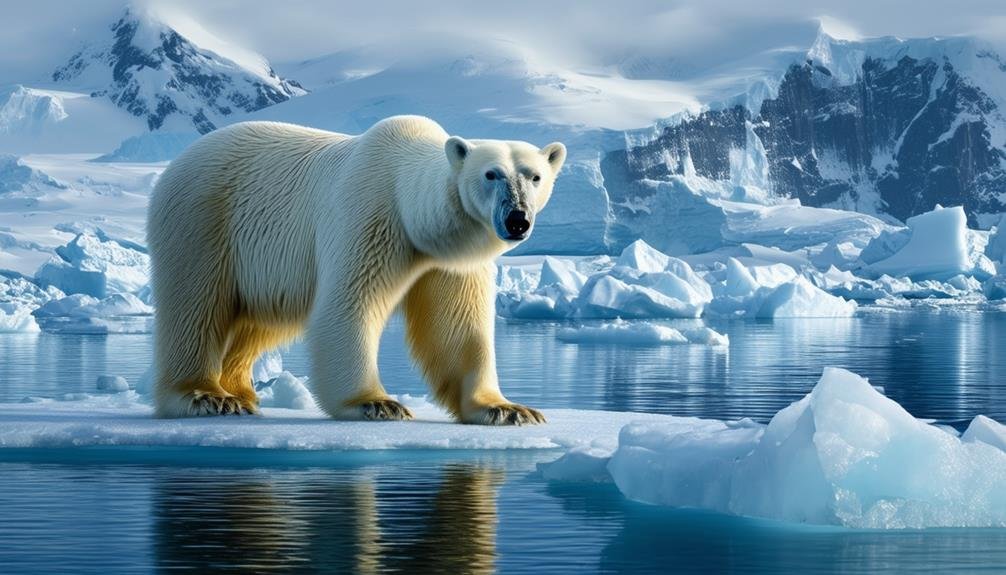
Polar bears are adapting to climate change due to significant alterations in their natural environment. Receding sea ice forces changes in hunting practices, with some populations relying on glacier ice instead. Diets have diversified to include more vegetation...
by White Fox | Jul 15, 2024 | Arctic Wildlife Encounters
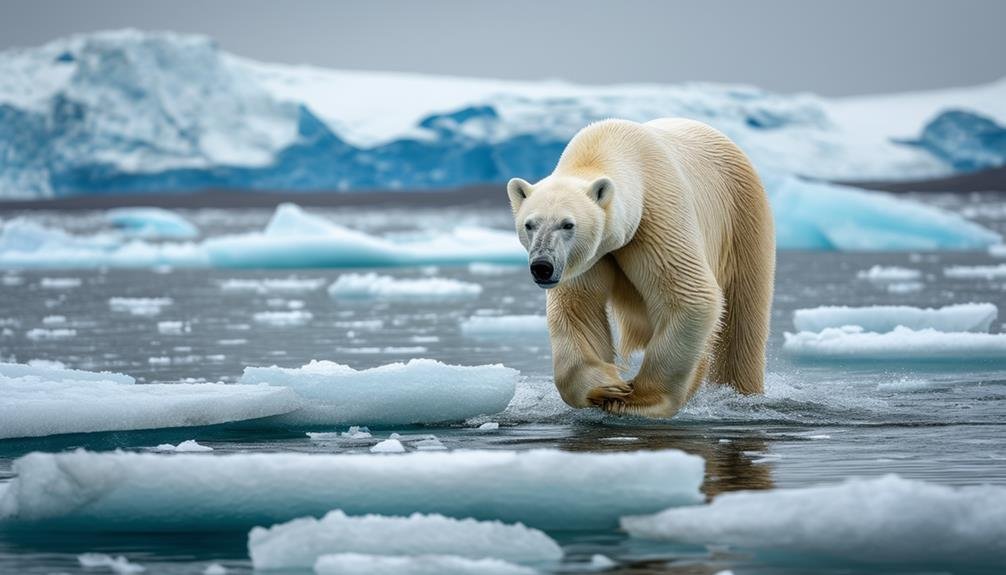
Polar bears adapt to climate change through several strategies. They change their diet by incorporating vegetation and birds' eggs as traditional prey becomes scarce. Increased time on land leads them to explore new food sources and modify hunting behaviors....
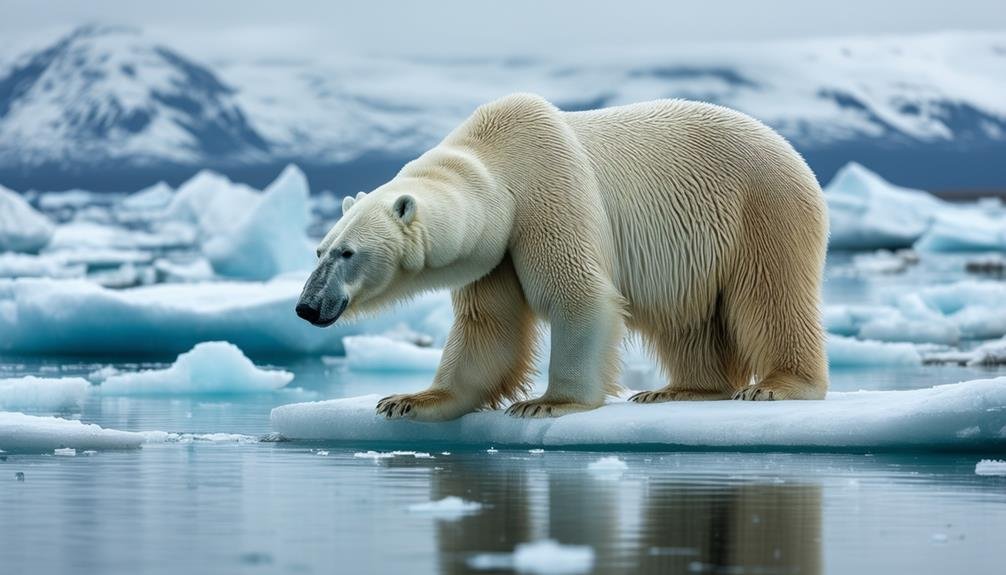
by White Fox | Jul 15, 2024 | Arctic Wildlife Encounters
Polar bears are adapting to climate change through several key behaviors. They are diversifying their diet to include plants and bird eggs, a shift essential due to diminishing sea ice. Increased time on land is observed, as prolonged ice-free periods challenge their...